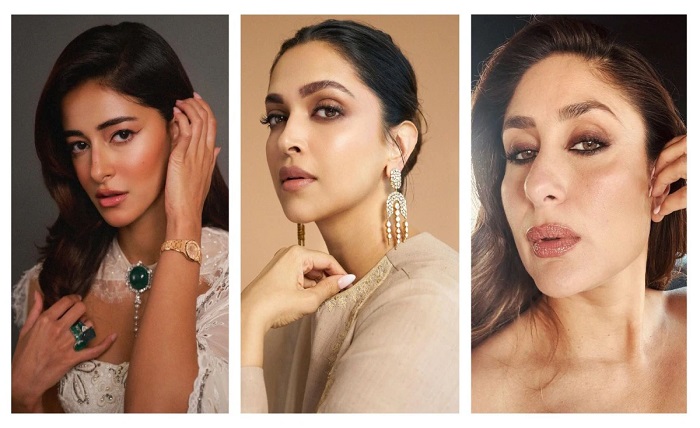
There is some good in this world, and it’s worth fighting for. The eyes are not responsible when the mind does the seeing. Of all sad words of tongue or pen, the saddest are these: it might have been.
The beauty industry is evolving faster than ever, driven by innovation, sustainability, and a growing focus on self-care. In 2026, beauty is no longer just about looking good—it is about feeling confident, maintaining healthy skin, and choosing products that are safe for both people and the environment. From skincare routines to makeup trends and clean beauty products, consumers are embracing a more mindful approach to beauty.
The Rise of Clean Beauty
Clean beauty has become one of the biggest trends in the cosmetics industry. Consumers are paying closer attention to ingredient lists and choosing products that are free from harmful chemicals.
Common features of clean beauty products include:
- Paraben-free formulas
- Sulfate-free cleansers
- Cruelty-free testing
- Vegan ingredients
- Eco-friendly packaging
- Dermatologist-tested products
These products focus on both effectiveness and safety while reducing environmental impact.
Skincare Comes Before Makeup
Healthy skin is the foundation of every beauty routine. Rather than covering imperfections with heavy makeup, more people are investing in skincare products that improve their skin naturally.
A basic skincare routine includes:
- Gentle cleanser
- Toner
- Vitamin C serum
- Moisturizer
- Sunscreen (SPF 30 or higher)
Following a consistent skincare routine can improve skin texture, reduce acne, and protect against premature aging.
Popular Skincare Ingredients
Beauty brands are using scientifically proven ingredients to address different skin concerns.
Trending skincare ingredients include:
- Hyaluronic Acid
- Niacinamide
- Vitamin C
- Retinol
- Ceramides
- Salicylic Acid
- Peptides
Each ingredient targets specific concerns such as hydration, acne, pigmentation, or fine lines.
Minimal Makeup Is Trending
Natural beauty continues to dominate the makeup industry. Instead of heavy foundation and dramatic contouring, consumers are choosing lightweight products that enhance their natural features.
Popular makeup trends include:
- Skin tint foundations
- Cream blush
- Glossy lips
- Soft brows
- Brown eyeliner
- Lightweight concealers
- Natural lashes
This approach creates a fresh, healthy appearance suitable for everyday wear.
Personalized Beauty Through AI
Artificial intelligence is changing how consumers shop for beauty products. Many brands now use AI-powered skin analysis to recommend products based on individual skin types and concerns.
Benefits include:
- Personalized skincare routines
- Accurate shade matching
- Virtual makeup try-ons
- Product recommendations
- Online skin assessments
Technology is making beauty shopping more convenient than ever.
Beauty Supplements
Nutrition plays an important role in healthy skin and hair. Beauty supplements are becoming increasingly popular among consumers.
Common supplements include:
- Collagen
- Biotin
- Vitamin D
- Omega-3
- Zinc
- Vitamin E
A balanced diet combined with proper hydration remains the most effective approach to maintaining healthy skin.
Hair Care Trends
Hair health is receiving as much attention as skincare. Consumers are focusing on strengthening and protecting their hair rather than excessive styling.
Popular hair care practices include:
- Sulfate-free shampoos
- Hair oils
- Scalp serums
- Deep conditioning masks
- Heat protection sprays
- Regular scalp massages
Healthy hair begins with a healthy scalp.
Sustainable Beauty Packaging
Beauty companies are reducing plastic waste by introducing recyclable and refillable packaging.
Examples include:
- Glass bottles
- Refillable lipstick cases
- Paper-based packaging
- Recycled plastic containers
- Biodegradable materials
Sustainable packaging helps reduce environmental pollution while encouraging responsible consumption.
Beauty Tips for Every Skin Type
Oily Skin
- Use oil-free moisturizer.
- Choose gel-based cleansers.
- Apply non-comedogenic sunscreen.
- Avoid over-washing.
Dry Skin
- Use rich moisturizers.
- Apply hydrating serums.
- Avoid harsh cleansers.
- Drink plenty of water.
Combination Skin
- Use balanced skincare products.
- Moisturize dry areas.
- Control oil in the T-zone.
Sensitive Skin
- Choose fragrance-free products.
- Patch-test new skincare.
- Avoid harsh exfoliants.
- Use calming ingredients like aloe vera.
Self-Care Is Part of Beauty
Beauty is closely connected to overall well-being. Good sleep, healthy eating, stress management, and regular exercise all contribute to healthier skin and greater confidence.
Simple self-care habits include:
- Sleeping 7–9 hours
- Drinking enough water
- Exercising regularly
- Eating fruits and vegetables
- Managing stress through relaxation techniques
Healthy lifestyle choices often produce the best beauty results.
Beauty Industry Innovations
Modern beauty brands continue introducing advanced products and technologies.
Emerging innovations include:
- AI-powered skincare analysis
- Smart beauty devices
- LED light therapy masks
- Waterless beauty products
- Biotechnology-based ingredients
- Personalized cosmetics
These innovations are making beauty routines more effective and customized.
SEO Tips for Beauty Blogs
If you own a beauty website, consider these SEO strategies:
- Research high-volume beauty keywords.
- Write detailed product reviews.
- Optimize images with descriptive alt text.
- Publish original skincare guides.
- Use engaging headlines.
- Improve website loading speed.
- Update beauty articles regularly.
Strong SEO practices help beauty blogs attract consistent organic traffic.
Conclusion
The beauty industry in 2026 is focused on healthy skin, natural makeup, sustainability, and personalized care. Consumers are moving beyond temporary beauty trends and investing in long-term skin health and environmentally friendly products. Whether you are building a skincare routine, exploring clean beauty, or following the latest makeup trends, the future of beauty is all about confidence, wellness, and self-expression.