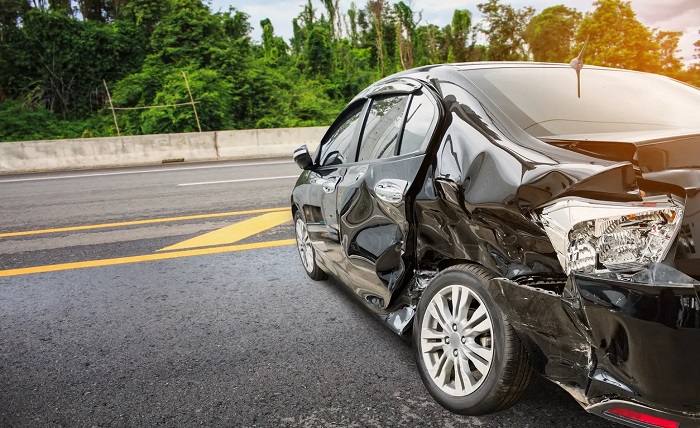
A crash can end in seconds, yet the argument about fault may drag on for months. One driver says the light was green. The other says the same thing. A witness leaves before police arrive. A camera nearby may or may not work. That is where stress starts. In Houston, fault fights happen often because roads stay busy all day. One lane change on a packed freeway can turn simple facts into a long dispute. That is why early legal help matters. Schechter, Shaffer & Harris, LLP – Accident & Injury Attorneys often start by locking down facts before they fade. Time matters more than most people think.
When Both Drivers Blame Each Other
Right after a crash, people speak from shock. That is normal. Someone may truly believe they had space to turn. Another may miss a sign because they were shaken up. Police reports help, but they do not always settle fault. A report may list one driver as likely at fault, yet insurance firms still push back. They look for gaps. They ask why a driver braked late, turned wide, or failed to avoid impact. Here is the thing: fault is not always all or nothing. Texas uses a shared fault rule. That means each side may carry part of the blame. If one driver is found partly at fault, money may still be paid, though the amount drops.
A simple example helps.
If a driver wins $100,000 but is blamed for 20% of the crash, payment drops to $80,000. That sounds fair at first. Yet insurers often push hard to raise that blame number. That is where a good case changes shape.
Small Details Often Decide Big Cases
A crash file is built from little things. A bent bumper. A tire mark. A time stamp from a nearby shop camera. Even a short phone video can shift the whole claim. People often think photos of car damage are enough. Sometimes they are not. Angle matters. Distance matters too. A side hit may show who entered a lane late. Front-end damage may hint who failed to stop.
Lawyers often gather:
- Police reports
- Camera footage
- Witness names
- Phone records if distracted driving is suspected
- Car data from newer vehicles
Modern cars store sudden brake use, speed, and steering input. It feels strange, but cars now tell part of the story. You know what? That digital trail often speaks louder than memory.
Insurance Calls Sound Friendly — Until They Don’t
The first call from an insurer may sound easy. They ask how you feel. They ask what happened. It seems routine. Yet each answer may later shape fault. A small phrase like “I didn’t see him” can be used in ways people never expect. That does not mean you should avoid facts. It means facts should be clear and careful.
Insurance firms often test for doubt:
- “Were you in a hurry?”
- “Did you brake late?”
- “Did you look twice?”
These questions are built to narrow blame onto you. That is why many people speak first with law firms like Schechter, Shaffer & Harris, LLP – Accident & Injury Attorneys before giving long recorded statements. A lawyer hears what the insurer is trying to pin down.
Why Fault Gets Harder in Busy Houston Traffic
Some roads in Houston almost invite disputes. Think about lane merges near major loops. Cars stack close. Signals flash late. A truck blocks sight lines. Then someone clips another car. Was it unsafe merging? Was the speed too high? Did one driver drift? Even the weather adds noise. A light rain can make skid marks weak. Evening glare can hide signals. A crash at a large crossing often feels like spilled marbles—pieces everywhere, stories mixed. That is why scene work matters early. A nearby gas station camera may erase footage in days. Witnesses forget fast too. A case that starts strong usually starts early.
Medical Care Helps More Than Health Alone
People sometimes wait before seeing a doctor. That can hurt both recovery and the claim. A sore neck may feel small that first day. Two days later it can lock movement. Insurance firms notice delays. They often argue the injury came later, not from the crash. Even if pain seems mild, records matter. A doctor visit creates timing. Timing builds trust in the claim. That is one reason Schechter, Shaffer & Harris, LLP – Accident & Injury Attorneys often tells clients to keep every paper—clinic notes, medicine slips, even ride costs. Small receipts can support larger losses.
What If You Were Partly At Fault?
A lot of people stop asking for help because they think they made one mistake. Maybe they were slightly over speed. Maybe they changed lanes late. That does not end the case. Under Texas law, payment may still happen if fault stays below the legal bar. That is why fault must be measured, not guessed. A sharp legal review may lower blame by showing the other driver acted worse—texting, tailgating, ignoring signs. Sometimes one missing fact changes everything. A nearby driver may report that brake lights never came on. That one line can reshape months of argument.
Legal Help Is Not Just Filing Papers
People picture legal work as forms and court dates. A lot happens before court ever appears.
A strong claim often means pressure behind the scenes:
- Sending evidence requests fast
- Reviewing repair records
- Checking road camera access
- Reading policy limits closely
And yes, talking settlement before trial. Most claims settle, but strong files settle better. A weak file invites delay. That is why many injured drivers look for a trusted Houston personal injury lawyer as soon as fault becomes unclear. The goal is simple: keep facts from slipping away.
Money Loss Is More Than Car Repairs
A disputed crash affects more than the body shop bill. People miss shifts. Parents miss school pickups. Sleep gets bad. Pain lingers.
A claim may include:
- Medical bills
- Lost pay
- Car repair or loss value
- Pain tied to daily life
Some losses seem small until weeks pass. A wrist injury sounds minor—until typing hurts every day. That is why legal claims often grow clearer after full medical review. Rushing too early can leave money behind.
FAQs About Fault Disputes After a Houston Crash
- Can I still file a claim if the other driver denies fault?
Yes. A denial does not stop a claim. Fault is decided through records, damage, witness proof, and traffic facts. A denial is common, especially when injuries are costly.
- Should I talk to the other driver’s insurance company?
You may need basic contact talk, but avoid long recorded answers alone. Simple facts are fine. Long details should wait until legal advice is clear.
- What if no witness stayed at the scene?
A case can still move forward. Video, police notes, car damage, and phone data often fill that gap.
- How long does a disputed crash case take?
Some close in months. Others take longer. It depends on injury care, proof strength, and how hard fault is challenged.
- When should I call a lawyer after the crash?
As soon as the fault becomes unclear. Early help often protects proof before it disappears.
Endnote
A crash claim is a bit like fixing a cracked window before rain comes in. Wait too long, and the damage spreads. That is why quick legal practice helps matters—especially when blame starts shifting from one side to the other.