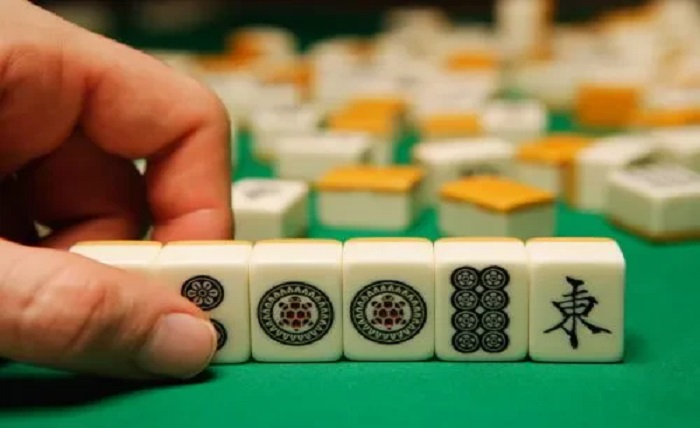
Mahjong is a traditional tile-based game that has evolved from a cultural pastime into a structured competitive activity played in tournaments around the world. While many people associate casual Mahjong with family gatherings or online entertainment, competitive Mahjong requires deep strategic thinking, pattern recognition, and disciplined decision-making.
In modern gaming culture, players often compare the structure and randomness of Mahjong with other systems like slot, mahjong style digital games, where chance plays a major role. However, Mahjong tournaments rely far more on skill, probability calculation, and long-term strategy than pure luck.
This article explains the fundamentals of Mahjong tournaments, how competitive play works, and what beginners should understand before entering the competitive scene.
Understanding the Basics of Mahjong
Mahjong is played using a set of 144 tiles, typically divided into suits, honors, and bonus tiles. The main objective is to form a complete winning hand, usually consisting of four sets and one pair.
Key components of Mahjong include:
- Suit tiles: Characters, Bamboo, and Circles
- Honor tiles: Winds and Dragons
- Bonus tiles: Flowers and Seasons (depending on ruleset)
Core objective:
- Build a valid hand combination faster than opponents
- Win rounds by completing a legal hand before others
Unlike simple chance-based systems found in some slot , mahjong inspired games, Mahjong demands ongoing decision-making throughout each round.
How Mahjong Tournaments Work
Competitive Mahjong is structured into organized rounds where players accumulate points based on performance.
Typical tournament structure includes:
- Multiple rounds (often 8–16 games)
- Rotating seating positions
- Scoring based on wins, losses, and penalties
- Ranking system to determine finalists
Key competitive elements:
- Consistency across multiple rounds
- Risk management in gameplay decisions
- Adaptation to different opponents
Tournaments are designed to reward skill over luck, ensuring that the most strategic player performs best over time.
Rules and Formats in Competitive Play
There are several regional and international Mahjong rulesets, but most tournaments follow standardized formats such as Japanese Riichi Mahjong or Chinese Official rules.
Common tournament rules include:
- Fixed starting points for all players
- Strict tile-drawing order
- Penalties for illegal moves
- Time limits for each decision
Popular formats:
- Individual score tournaments: Players compete for personal ranking
- Team-based events: Combined scores determine team success
- Swiss system tournaments: Players are paired based on performance
These structured formats separate Mahjong tournaments from casual play and from chance-heavy entertainment like slot , mahjong themed gaming systems.
Scoring System in Mahjong Competitions
Scoring in Mahjong is one of the most important aspects of competitive play. Players earn points based on the complexity and value of their winning hand.
Scoring factors include:
- Hand composition (basic vs. advanced patterns)
- Winning method (self-draw or opponent discard)
- Special combinations (Yaku or Fan patterns depending on ruleset)
Important scoring principles:
- Higher risk hands yield higher rewards
- Defensive play can reduce losses
- Small point differences often determine rankings
Understanding scoring deeply is essential for tournament success, as even small mistakes can change the outcome of an entire event.
Strategy in Competitive Mahjong
Strategy is the core element that separates beginners from advanced tournament players.
Key strategic principles include:
- Tile Efficiency
- Prioritize hands that can be completed quickly
- Avoid unnecessary complex combinations early in the game
- Defensive Play
- Observe opponent discards carefully
- Avoid giving winning tiles to opponents
- Probability Calculation
- Estimate which tiles remain in play
- Adjust decisions based on visible and discarded tiles
- Risk Management
- Decide when to play aggressively or defensively
- Balance potential reward against possible loss
Unlike games influenced heavily by randomness such as slot , mahjong themed machines, Mahjong rewards long-term analytical thinking.
Common Mistakes Beginners Make
New players often struggle in tournaments due to lack of experience and overconfidence.
Frequent mistakes include:
- Ignoring defensive strategy
- Chasing high-value hands too early
- Not tracking discarded tiles
- Poor time management during decisions
- Overestimating lucky draws
Avoiding these mistakes is crucial for improving performance in competitive environments.
Differences Between Casual Play and Tournament Play
Casual Mahjong is often relaxed and social, while tournament Mahjong is structured and competitive.
Casual play characteristics:
- Flexible rules
- Focus on entertainment
- Less pressure on scoring
Tournament play characteristics:
- Strict rule enforcement
- High concentration required
- Performance-based ranking system
This difference is similar to how casual entertainment games, including some slot , mahjong style platforms, differ from skill-based competitive systems.
Preparation for Mahjong Tournaments
Preparation is essential for success in competitive Mahjong.
Effective preparation methods include:
- Studying official rulebooks
- Practicing with experienced players
- Learning common hand patterns
- Reviewing past game scenarios
- Training focus and patience
Mental preparation is equally important, as tournaments often require long hours of concentration.
Psychological Aspects of Competitive Play
Mahjong tournaments are not only about skill but also mental strength.
Important psychological skills:
- Patience under pressure
- Emotional control after losses
- Focus during long sessions
- Reading opponent behavior
Strong mental discipline often separates top players from average competitors.
Role of Luck vs Skill in Mahjong
While Mahjong includes a random element due to tile drawing, skill plays a significantly larger role in competitive environments.
Luck influences:
- Initial tile distribution
- Unexpected draws during gameplay
Skill influences:
- Decision-making
- Strategy adaptation
- Defensive awareness
- Long-term consistency
Compared to systems like slot , mahjong , where randomness dominates, Mahjong tournaments strongly reward strategic intelligence.
Conclusion
Mahjong tournaments represent a deep and strategic form of competitive gaming that combines probability, psychology, and tactical planning. Unlike casual play or chance-based entertainment systems, competitive Mahjong requires discipline, focus, and long-term thinking.
Understanding rules, scoring systems, and strategic fundamentals is essential for anyone interested in entering tournaments. With practice and patience, players can transition from beginners to skilled competitors capable of performing consistently under pressure.
Whether compared to traditional board games or modern slot , mahjong style entertainment formats, Mahjong remains one of the most intellectually engaging competitive games in the world.